Senator Willessee, Australia’s special Minister of State, has just attended the eighteenth Annual Council meeting of the Southeast Asian Treaty Organization (SEATO), established in 1955 and originally including eight member countries: the Philippines, Thailand, Pakistan, the US, UK, France, Australia and New Zealand. The military pact.
The recent summit meeting between the Soviet and American leaders has confirmed the trend towards close relations between the two countries. It would seem that this kind of political summitry is to become a regular feature of the international calendar.
For some weeks now, all the headlines of the world’s press have been concentrating, quite properly, on the Middle East war, the emerging oil crisis and the continuing saga of political corruption and deceit within the United States. We have had, therefore, little or no opportunity to be reminded of the forgotten but unrelenting war in Indochina.
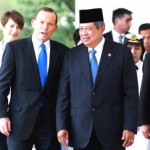
The conduct of Australia’s foreign policy under the Rudd and Gillard governments was anything but inspiring. Under Tony Abbott, we have so far been treated to a succession of gaffes bordering on farce.
Despite Australia's obvious national interests in the Middle East, our leaders have been strangely silent about the alarming security threats in that region, write Joseph A Camilleri and NAJ Taylor.
The article was published online on the ABC's The Drum
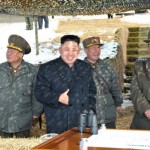
One thing is clear: North Korea, regardless of its belligerence, lacks the means to defeat South Korea, or to inflict any military damage on the United States. The motive therefore lies not in the execution of any military threat but in the theatre of threat-making.
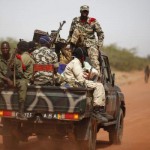
The new year is scarcely a month old. Yet we have seen enough to know that the fires raging in different parts of the Middle East and North Africa will not easily abate – and that the firefighting efforts of Western governments may prove no more successful than in the past.